What slows bioinformatics down
We asked 86 bioinformaticians what gets in the way of their analysis. Almost half named the same thing, and it isn't compute.

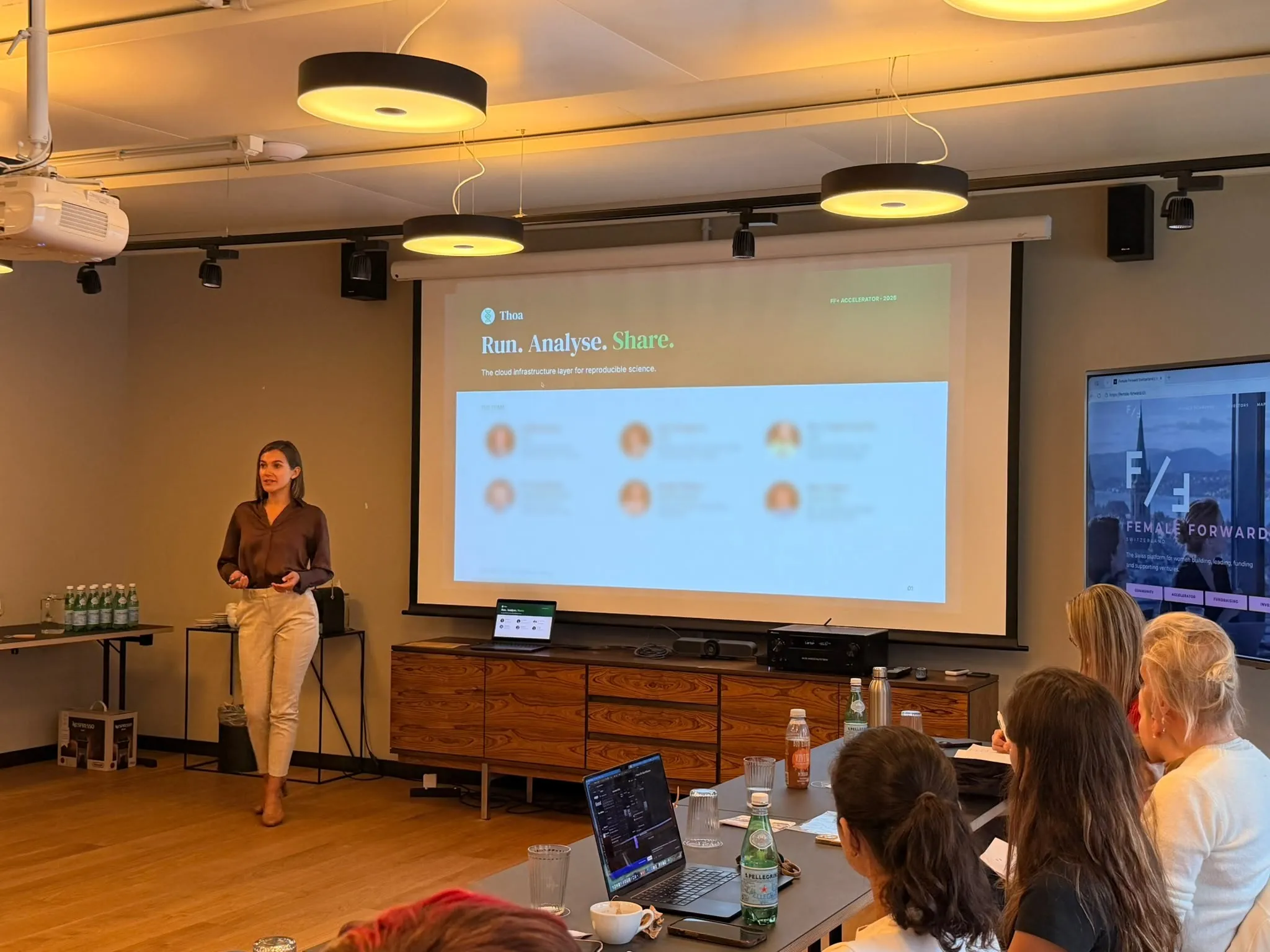
The Thoa team

When we started Thoa, we had a hunch from our own work: analysis gets stuck less often on the science than on everything around it. So we asked. 86 bioinformaticians told us what slows them down.
Four answers kept coming back
- Environments and dependencies, named by 47%
- Reproducibility, named by 38%
- Scaling compute, named by 36%
- Pipeline management, also 36%
Almost half named environments first. Not a lack of machines, not a lack of storage: the tools, versions and packages that have to line up before a single line of the analysis can run.
Why it isn’t compute
Only about a third named scaling compute. Compute is easy to buy. What is hard is rebuilding the exact setup an analysis ran in, on a new machine, months later, for someone else.
That is also why reproducibility comes second. A result that can’t be repeated is a result that can’t be checked, shared or built on.
What we did about it
The answers shaped Thoa from the start:
- Thoa builds the environment for you. Pass a list of tools, an environment file, a description in plain words or nothing at all, and Thoa builds what the analysis needs and keeps it for every run after.
- Every input is fingerprinted and frozen. Thoa hashes every file and seals it in an immutable dataset, so each result traces back to exactly what ran.
- Every job runs on a machine of its own, isolated from every other run.
The same answers decide what we build next. We wrote about that in How we decide what to build next.