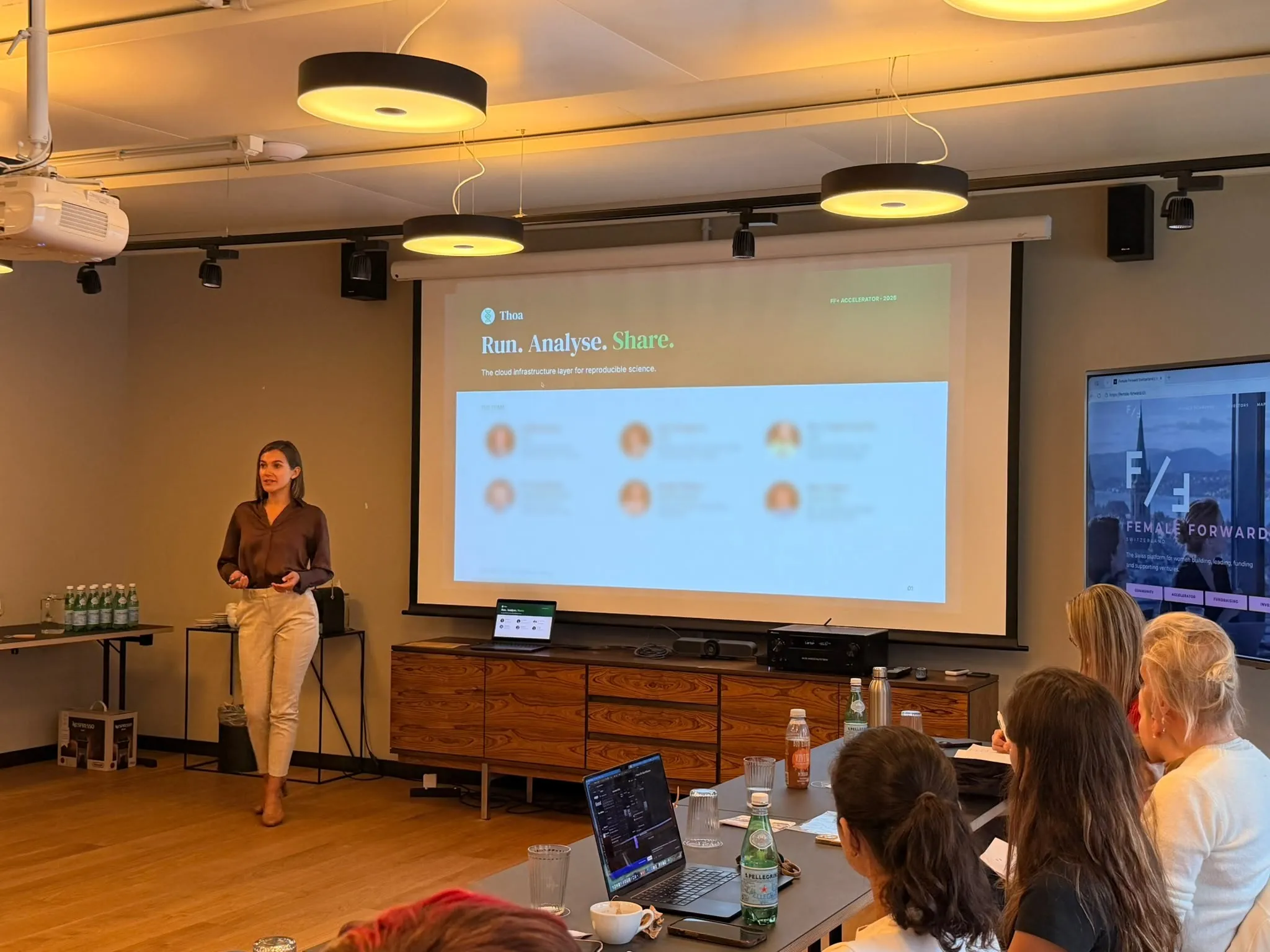
How we decide what to build next
One room, one whiteboard and a roadmap that has to fit on a single screen. Inside a Thoa planning week, and what made the cut.

Marc Zuber
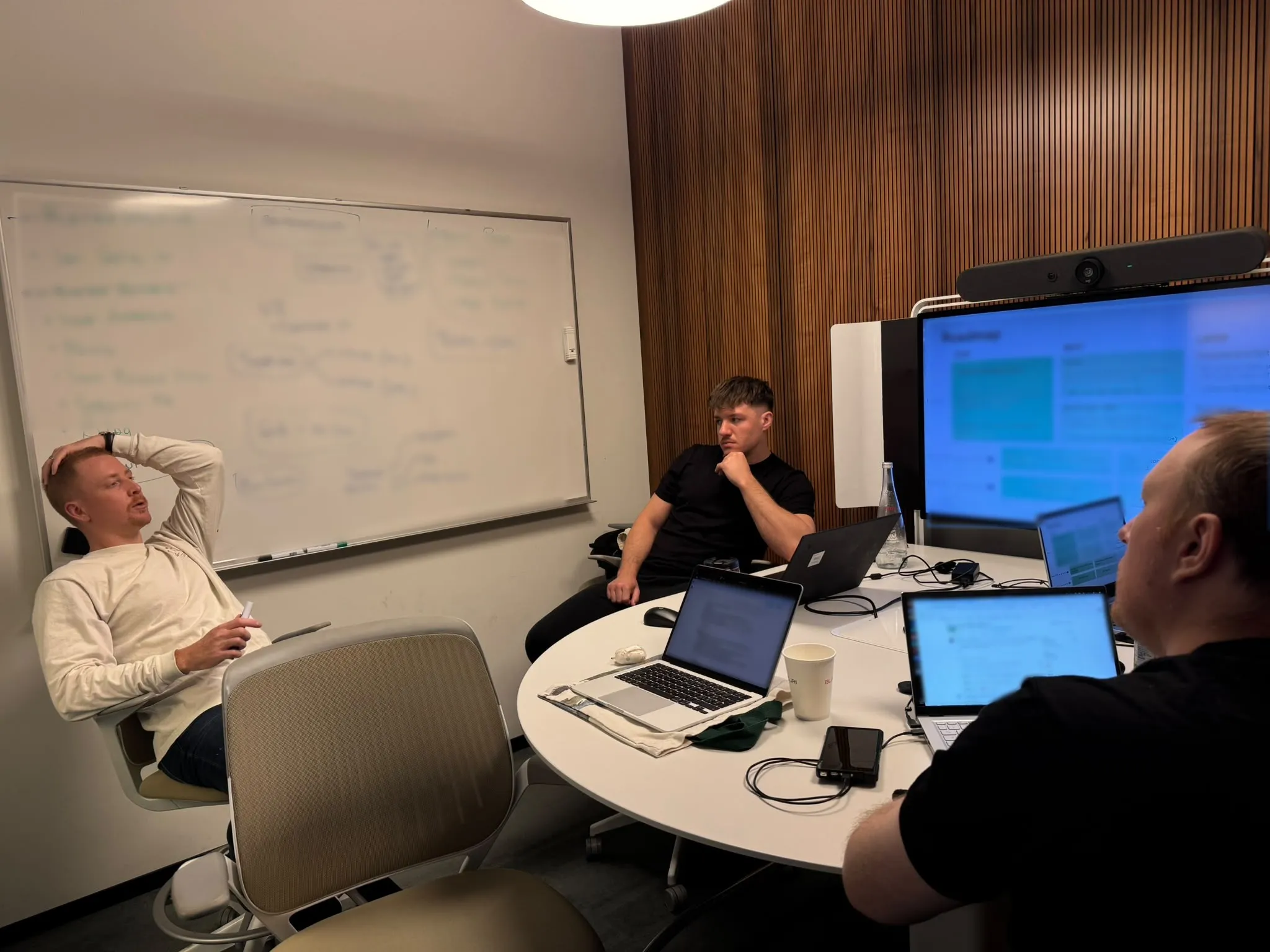
Twice a year we close the issue tracker, book a room with a whiteboard and ask ourselves one question: of everything Thoa could do next, what should it do next?
It sounds simple. It isn’t. A small team can build almost anything for a few weeks, but it can only build a few things well. This is how we chose them this time, and what we decided to leave on the whiteboard.
Start with what people told us
Before anyone picks up a pen, we read. When 86 bioinformaticians answered our survey about what slows their work down, four answers kept coming back:
| What slows analysis down | Share of respondents |
|---|---|
| Environments and dependencies | 47% |
| Reproducibility | 38% |
| Scaling compute | 36% |
| Pipeline management | 36% |
None of these is a feature request. They are the reasons an analysis that worked on Tuesday fails on Friday, or can’t be repeated six months later by the person who wrote it. Every item on our roadmap has to make one of them smaller, or it doesn’t go on the roadmap.
We also go back through everything the research labs piloting Thoa have asked for, at the University of Zurich, Vilnius University and KAIST. A request that comes up in three labs on three continents usually points at something real.
One screen, four columns
Our roadmap has one rule: it fits on a single screen. Four columns, Done, Now, Next and Later, and nothing that needs scrolling. If something new moves into Next, something else has to move out.
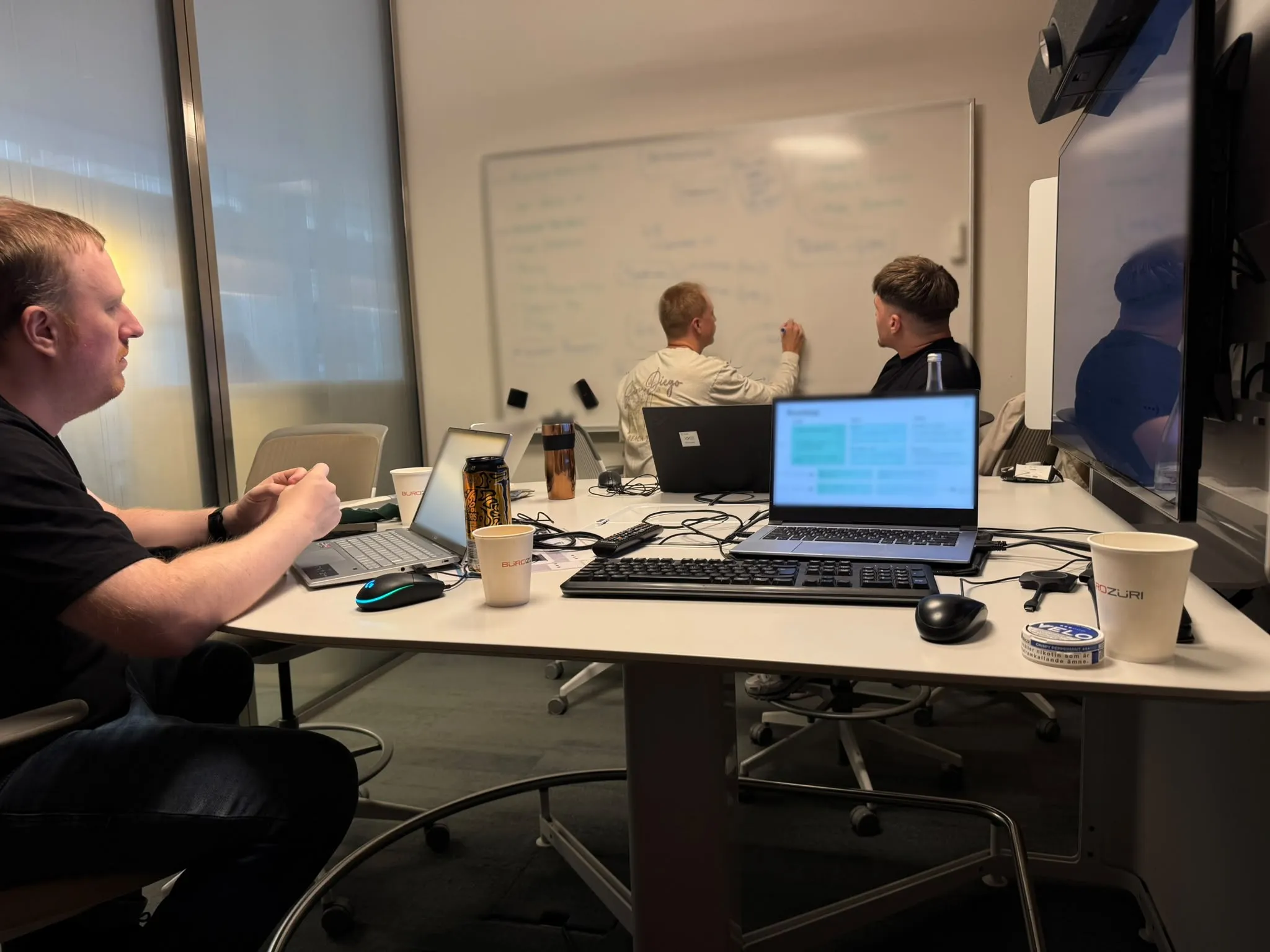
The first morning is a retrospective. What did we ship since the last planning week, and did it help? Which of our guesses turned out wrong? It is the least glamorous part of the week and the most useful, because it stops us from planning the next six months on the assumptions that failed in the last six.
What made the cut
Four things moved into Next:
- GPUs and more clouds. GPU instances for the analyses that need them, plus AWS, Google Cloud and your own HPC.
- Sharing links. Send a run to a collaborator or a reviewer as a link. No download, no re-upload.
- Workflow integration. Bring Snakemake pipelines as they are, then Nextflow, reproducible underneath.
- Teams and access control. Share datasets, environments and resources across a team, with permissions set for the whole organisation.
Each one answers a line in that table. GPUs and more clouds answer scaling compute. Workflow integration answers pipeline management. Sharing links and teams answer the part of reproducibility that has nothing to do with software: getting a result in front of someone else, intact.
Thoa provides me with the right infrastructure, environment and tools at the right time, saving me hundreds of hours of tedious manual work.
Dr. Jeferyd Yepes García, Bioinformatics Researcher, Swiss Institute of Bioinformatics
That is the test we come back to. A feature is never the point. The hours it gives back are.
What we left on the whiteboard
Planning is mostly saying “not yet”. Two large pieces of work stay in Later.
The first is compliance and certification: ISO certification and audit-ready materials, with HIPAA and FDA 21 CFR Part 11 compliance. The second is enterprise deployment, running Thoa on-site or in a private cloud for pharma and CROs.
Both matter, and both will come. They are also the kind of work that would swallow a small team whole if we started before the foundations under them are finished. We would rather ship four things that work than eight that half work.

How we will know it worked
Every item in Next leaves the room with a question attached: who will use it first, and how will we know it helped? For sharing links, it is the first reviewer who opens a run without asking anyone for the data. For workflows, it is the first Snakemake pipeline that runs on Thoa without a single change.
If you run analyses on Thoa, or would like to, tell us what belongs on that whiteboard next time. The quickest way is our Discord.